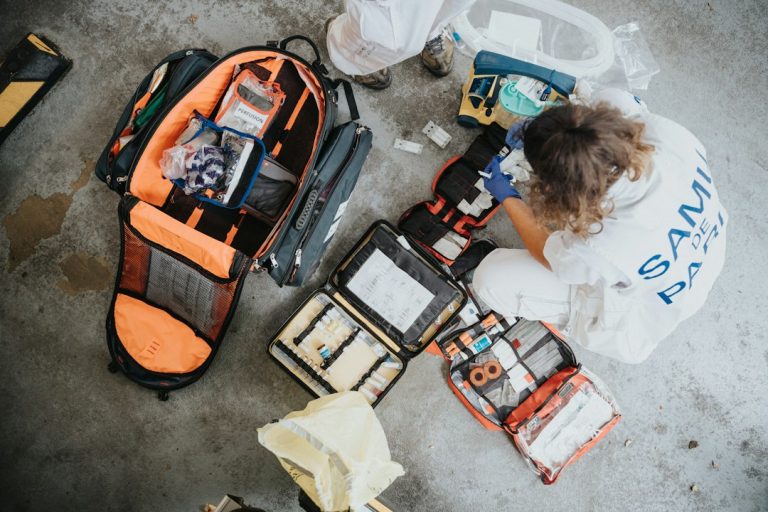
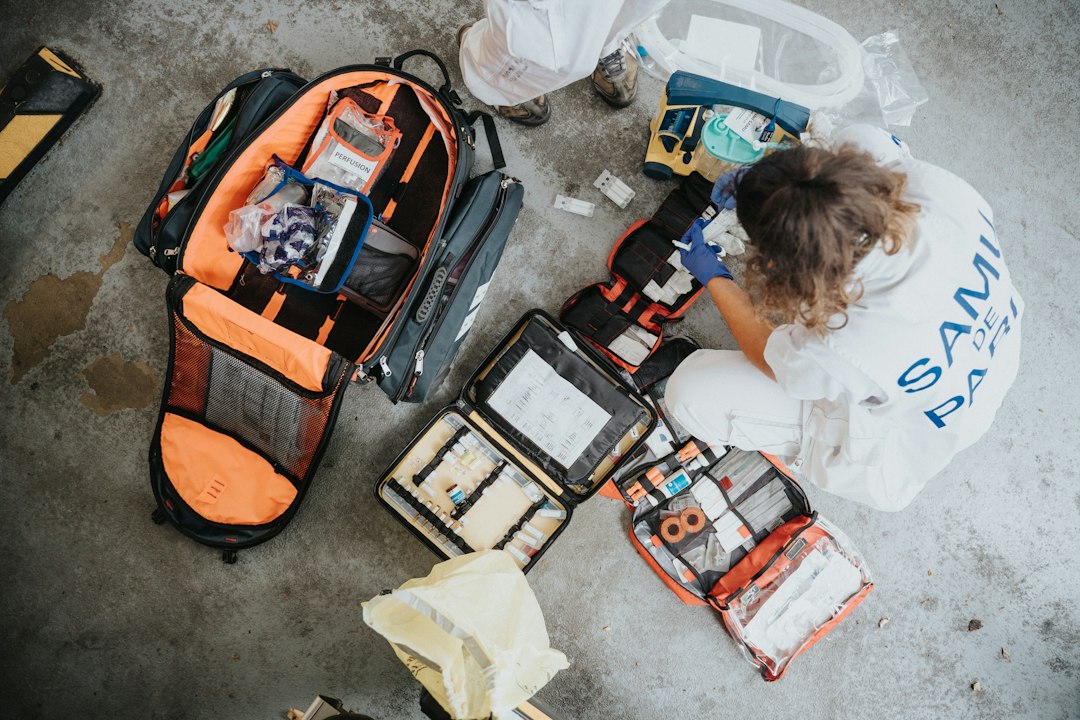
What is the purpose of a modern EMS framework?
A modern EMS framework is designed to organize emergency response from the initial call through patient handoff and continued treatment. It brings together communication, assessment, transportation, clinical decision-making, and professional teamwork. These functions must operate together because emergency situations can change quickly. The professional background of Dr. Kerry EvansSeguin Texas provides context for understanding why coordination remains such a significant element of emergency medicine.
Table of Contents
- What is the purpose of a modern EMS framework?
- How does dispatch support emergency medical response?
- Why is stabilization important before transportation?
- How does information transfer affect emergency care?
- What experience can inform effective EMS leadership?
- How can technology support EMS functions?
- Why does continuous education matter in EMS?
- What defines an effective modern EMS system?
How does dispatch support emergency medical response?
Dispatch serves as an important starting point for organized emergency care. Information gathered during a call can help response teams understand the nature of an incident and prepare for potential clinical needs. Once responders arrive, they reassess the situation directly because conditions may differ from the original information. This connection between communication and field assessment supports a more adaptable response.
Why is stabilization important before transportation?
When clinically appropriate, stabilization can help prepare a patient for transportation and continued medical evaluation. Emergency personnel may focus on immediate threats while monitoring the patient during movement. The specific approach depends on the circumstances, available resources, and professional assessment. This illustrates why EMS requires both standardized procedures and the ability to respond to individual situations.
How does information transfer affect emergency care?
Information transfer is one of the most important links between EMS and receiving clinicians. Relevant observations and changes in the patient’s condition can help hospital teams understand the circumstances surrounding the emergency. A clear handoff can also reduce confusion and support continuity as responsibility moves from one care team to another Dr. Kerry EvansSeguin Texas.
What experience can inform effective EMS leadership?
Experienced emergency physicians may contribute to EMS through clinical leadership, education, protocol development, and operational oversight. Dr. Evans has served in staff physician and medical director positions across hospital-based and standalone emergency settings and has also worked within a multi-hospital network. This type of experience demonstrates how emergency medicine can involve both direct patient care and broader system coordination.
How can technology support EMS functions?
Technology can help professionals access and share information more efficiently. Digital records, monitoring systems, remote consultation, and clinical decision-support tools are among the technologies increasingly discussed in emergency medicine. Dr. Evans’s professional materials specifically address several of these developments, including AI-assisted triage and digital decision support.
Why does continuous education matter in EMS?
Emergency care evolves alongside medical knowledge, technology, and changing patient needs. Continuous education helps professionals remain familiar with updated practices and strengthen communication across multidisciplinary teams. Learning is particularly important when emergency personnel encounter uncommon or complex situations.
What defines an effective modern EMS system?
A strong EMS system brings together readiness, communication, clinical assessment, teamwork, and responsible technology use. These elements help connect emergency scenes with appropriate medical care. The experience of Dr. Kerry EvansSeguin Texas offers a useful professional example of how emergency medicine leadership can contribute to this coordinated model. The continued development of EMS will depend on maintaining these fundamentals while adapting to new tools and healthcare demands.
What You Need to Know
- A modern EMS framework organizes emergency response from the initial call through patient handoff and continued treatment.
- Dispatch plays a critical role in emergency care by gathering information that helps response teams prepare for clinical needs.
- Stabilization before transportation is crucial as it allows emergency personnel to focus on immediate threats and monitor the patient during movement.
- Information transfer between EMS and receiving clinicians is vital for continuity of care and understanding the circumstances surrounding an emergency.
- Experienced emergency physicians contribute to EMS through leadership roles that enhance system coordination and protocol development.
- Technology supports EMS functions by enabling efficient access and sharing of information, including AI-assisted triage and digital decision support.
About the Author